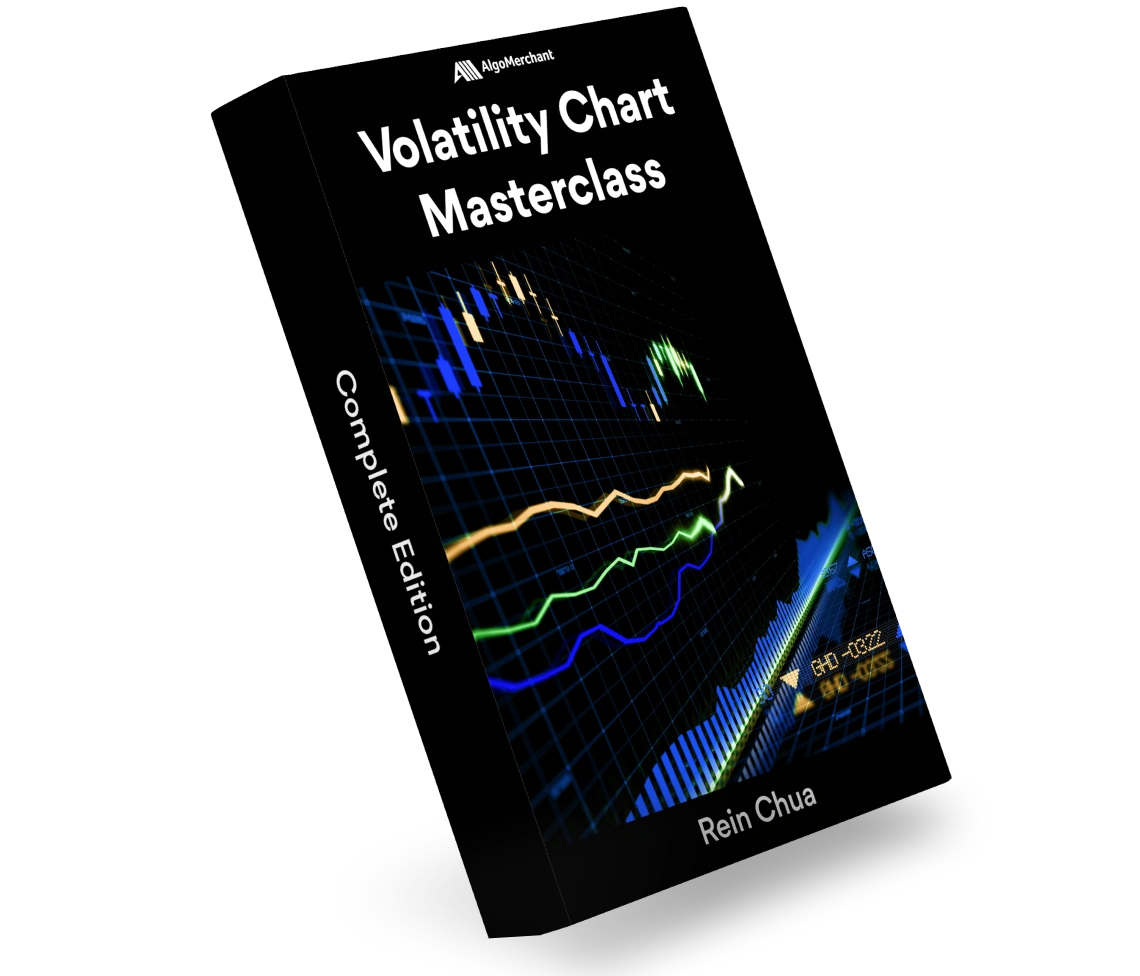
Many traders focus on price charts and indicators but struggle to interpret the bigger forces driving the market. This course introduces a practical framework for understanding how fear and volatility shape market movements.
By analyzing daily volatility in the S&P 500 Index, you’ll learn how to recognize when uncertainty is rising, when selling pressure may be reaching exhaustion, and when the market environment may begin to stabilize.
Rather than relying solely on technical signals, this approach focuses on how large market participants influence volatility and sentiment. Through the volatility chart method, traders will gain a clearer perspective on market conditions and develop a more structured way to interpret market behavior before making trading decisions.

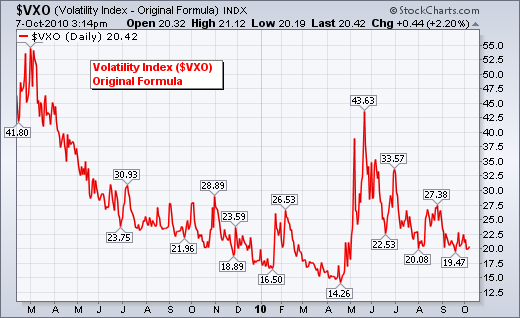

Many traders rely heavily on technical indicators or market news but still struggle to understand why the market behaves the way it does. Without a clear framework for interpreting market fear and volatility, it becomes difficult to recognize whether market movements are driven by short-term noise or by larger forces behind the scenes. This often leads to reactive decisions, entering trades when fear is already peaking or exiting positions when the market may be stabilizing .
In this course, you will learn a structured way to interpret volatility by analyzing daily movements in the S&P 500 Index. Instead of focusing only on price direction, the course introduces a method that observes how fear develops through volatility patterns and how these movements may reflect the behavior of large institutional participants.
By understanding how volatility signals evolve from smaller market fluctuations to larger fear-driven movements traders can gain a clearer perspective of overall market conditions. This approach helps you interpret market sentiment more effectively and make trading decisions with greater context rather than relying solely on individual indicators or short-term market reactions.

With over 15 years of experience in cross-asset trading, portfolio management and entrepreneurship.
He has been featured by several major media like Business Times, Yahoo News, TechInAsia, etc., and invited as a panel speaker by various financial related institutions such as Singapore Stock Exchange, Indonesia Stock Exchange, Share Investors, etc., to give various insights on the how Artificial Intelligence and finance will shape the investment landscape.
Today Rein is managing prop trading fund and actively teaching retail investors and professional on systematic and quantitative trading approach. And he loves to share professional knowledge and experience on how to consistently profit from the stock market.
He started his career as a portfolio manager at Citigroup, holds degrees in Information Systems from LSE and AI from NTU, later gained a large following, and managed over $100 million in assets.
Enroll in this short course to learn which approach has historically given traders a better edge.
The information, tools and material presented in this Site are provided to you for informational purposes only and are not to be used or considered as an offer or invitation to sell or issue or any solicitation of any offer or invitation to buy securities or other financial instruments, or any advice or recommendation with respect to such securities or other financial instruments. The Site’s contents may not be reproduced in whole or in part or otherwise made available without the prior written consent of AlgoMerchant. Information presented in this Site have been obtained, derived or analyzed from sources believed by AlgoMerchant to be reliable, but AlgoMerchant makes no representation, warranty or guarantee as to their accuracy or completeness. To the extent permitted by applicable law, AlgoMerchant accepts no liability for any loss arising from the use of the material presented in this Site or software provisioned by this Site. No market data or other information is warranted or guaranteed by AlgoMerchant as to its completeness, accuracy, or fitness for a particular purpose, express or implied, and such market data and information are subject to change without notice. All of the information, including but not limited to our ‘Performance Simulation’ feature, will always strive to be unbiased in its reporting. AlgoMerchant, or its affiliates, may have issued, and may in the future issue, other communications that are inconsistent with, and reach different conclusions from, the information presented herein. Those communications reflect the assumptions, views, and analytical methods of the persons that prepared them.
With AlgoMerchant your account is secure. For your peace of mind, we use advanced firewalls and Secure Socket Layering (SSL) technology, automatic sign-out, and failed login limits to keep your personal information secure.